With screens becoming an increasingly integral part of our daily lives, it can be challenging to help children maintain a healthy balance between screen time and playtime. This blog will help you create this balance by highlighting the importance of playtime and offering practical tips for regulating screen use.
Why is playtime important?
Playtime is essential for children's physical, social, and cognitive development. Free play helps them to:
- Develop social skills, such as cooperation and communication
- Think creatively and solve problems
- Stay physically active, which is good for their health
Screens can disrupt this natural development if they take up too much time.
The differences between screen time and playtime
Screen time
- Encourages passive engagement (watching or clicking).
- Can be educational, depending on the content.
- Can lead to less physical activity and social interaction.
Playtime
- Encourages active engagement and creativity.
- Promotes physical health and social skills.
- Helps children express and regulate their emotions.
It is all about balance: screen time does not necessarily have to be bad, but it should not come at the expense of playtime.
5 tips for creating a balance between screen time and playtime
- Set screen-free periods
Introduce set times when screens are not used, such as during meals or after school. Use these periods for joint activities or free play.
Tip: Make the weekend a “screen-free morning” and use that time for outdoor activities.
- Prioritize playtime
Make playtime attractive and accessible by setting out toys, craft materials, or sports equipment. Organise playdates or activities such as a game of football in the garden.
Benefit: By making playtime more fun, children will choose it more quickly themselves.
- Use screen time as a reward, not as a standard activity
Make screen time an earned reward after completing tasks or playing actively. For example: "If you have played outside for an hour, you can use the tablet for 30 minutes."
Important: Make sure that screen time is not seen as “better” than playtime, but as an extra.
- Make playtime a family affair
Join your children during playtime. Build a Lego creation together, play a board game, or go cycling. This not only strengthens your bond but also shows that offline time is valuable.
- Monitor screen use with tools
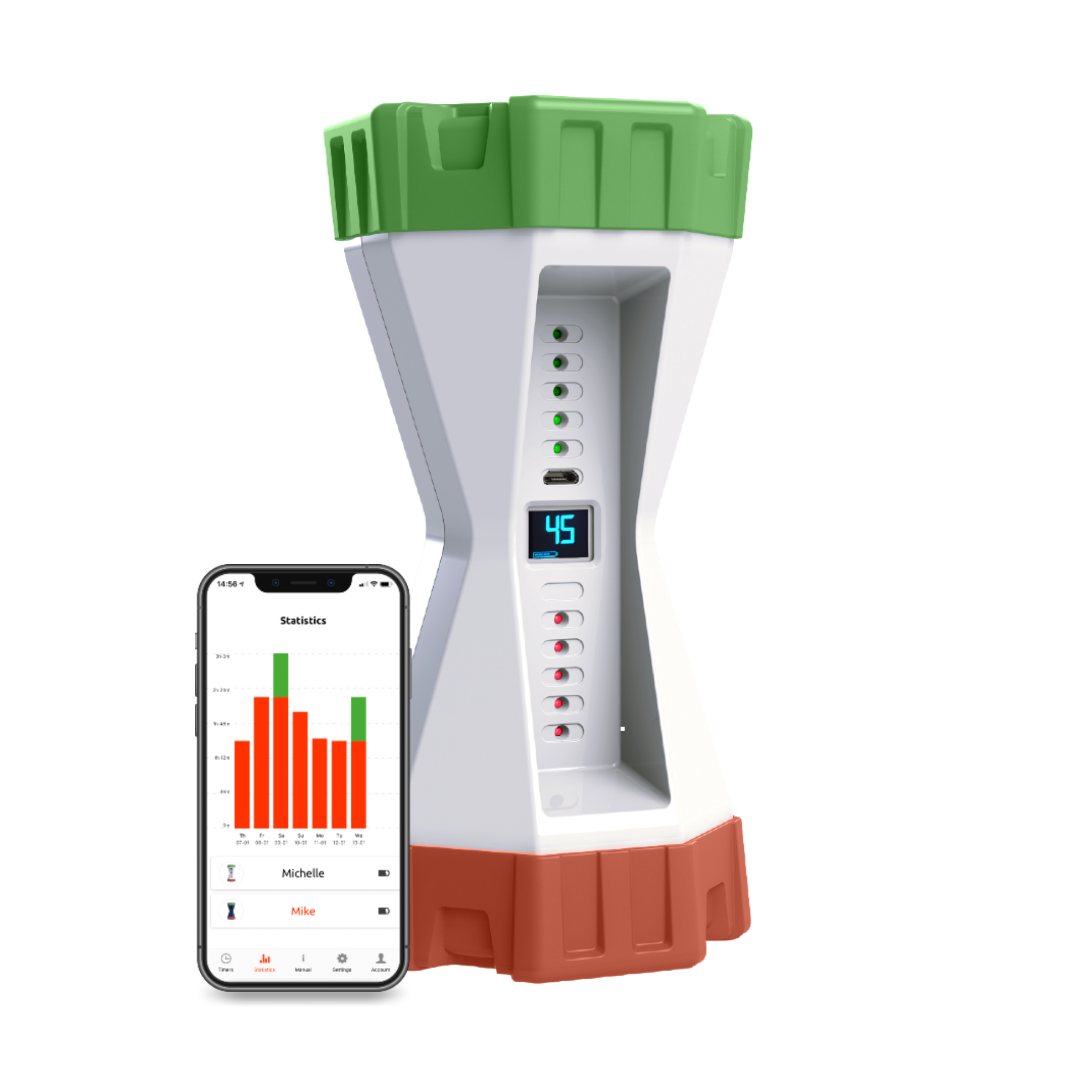
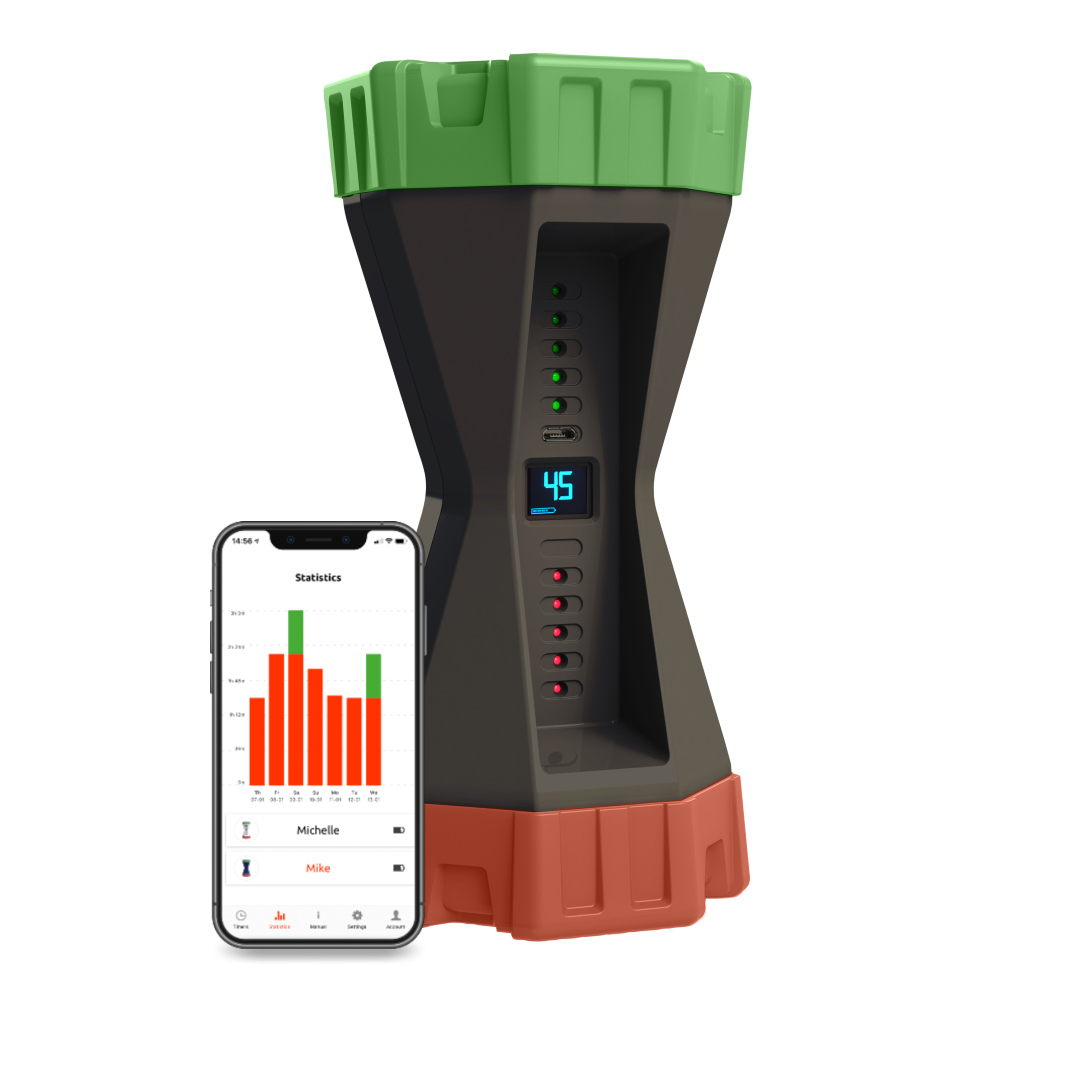
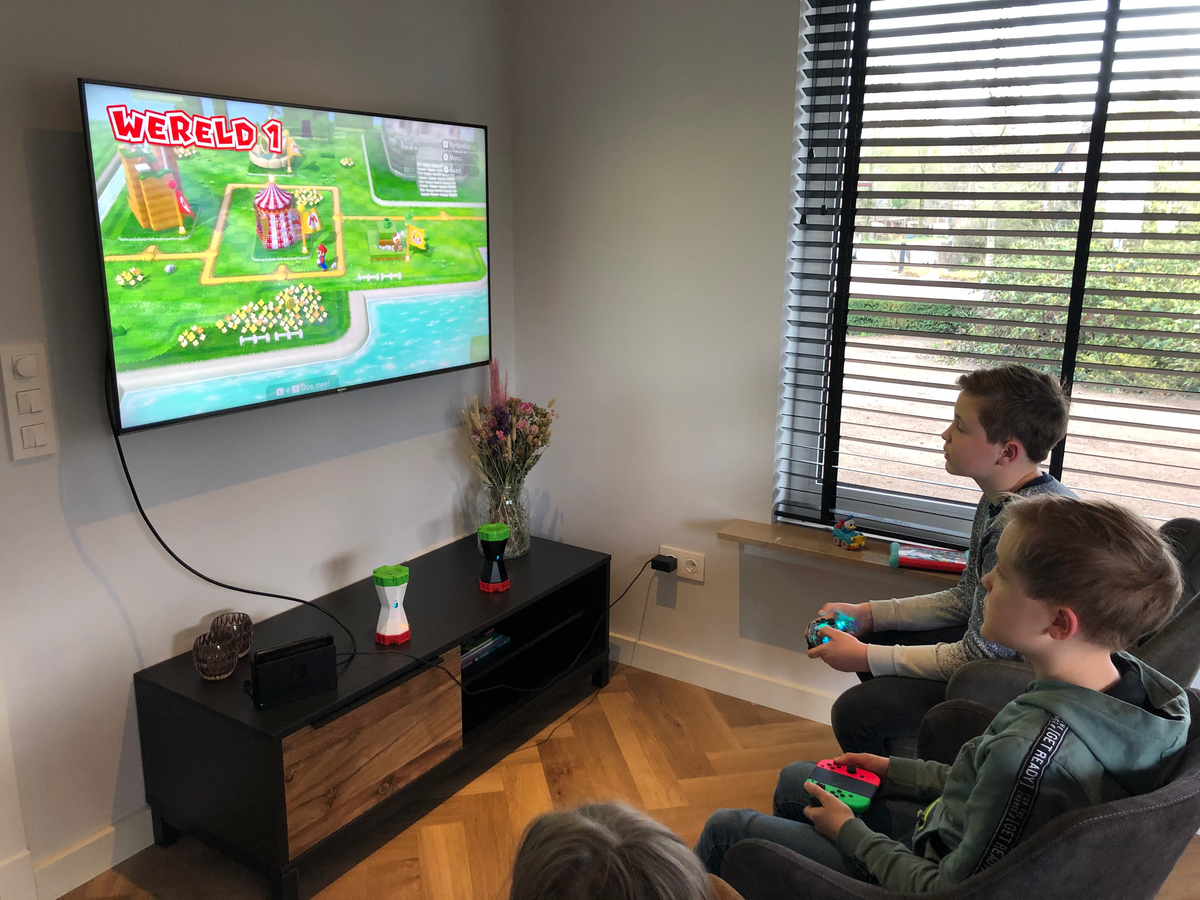
Use tools such as the Game Timer or screen time apps to see how much time your children actually spend in front of a screen. This will help you set clear boundaries.
What to do if your child would rather sit in front of a screen?
It can happen that your child is more interested in screens than in playing. Try the following:
- Involve them in planning activities and let them choose what they enjoy.
- Encourage them to invite friends over to play.
- Limit screens to educational and interactive content that stimulates learning.
The benefits of a good balance
When children have a healthy balance between screen time and playtime, they benefit from:
- Better physical and mental health
- More creativity and social interaction
- Less risk of sleep problems and overstimulation
Furthermore, they learn to make conscious choices about how they spend their time, which is a valuable life lesson.
Conclusion: balance is the key to success
Screen time and playtime do not have to be in conflict, as long as you set clear rules and offer fun, active alternatives. By prioritizing playtime, setting screen-free periods, and playing together, you create a healthy balance that helps your children grow and thrive.