In our modern, digital world, screen time is now an integral part of everyday life. From schoolwork to relaxation, children spend more and more time in front of a screen. But what does this mean for their digital health? In this blog, we explain why regulating screen time is essential, what digital health entails, and how you as a parent can find the right balance.
What is digital health?
Digital health goes beyond simply limiting screen time. It means that children use technology in a responsible way, where they:
- Set healthy boundaries in screen use.
- Find a balance between online and offline activities.
- Use technology to learn and grow, not just for passive entertainment.
Good digital health helps children prevent physical, mental, and social problems caused by excessive screen use.
The risks of unlimited screen time
Excessive screen time can have a negative impact on children's development and well-being. Some risks include:
- Physical health
Prolonged screen use can lead to:
- Poor posture and back problems.
- Eye strain from looking at screens.
- Lack of exercise, which increases the risk of obesity.
- Mental health
Too much screen time is associated with:
- Sleep problems due to exposure to blue light.
- Increased irritability and stress.
- Less time for reflection and creativity.
- Social health
When screen use replaces social interactions, children may have difficulty developing important social skills, such as empathy and cooperation.
Why is regulating screen time important?
- It promotes balance
By regulating screen time, children learn to use technology in a conscious and responsible way. This helps them find a healthy balance between digital and offline activities.
- It prevents negative effects
Limited screen time reduces the risk of sleep problems, overstimulation, and physical health complaints.
- It encourages family interaction
Less time behind screens means more time for family moments and social interactions. Think of eating, playing, or talking together.
How can you regulate screen time?
- Set clear rules
Make agreements about screen time that suit your child's age. Use guidelines such as:
- 0-2 years: Avoid screens, except for video calls.
- 3-5 years: Maximum 1 hour per day.
- 6-12 years: Limit screen time to 2 hours per day, excluding schoolwork.
- Use technology wisely
Make use of tools such as screen time apps to set limits and manage device use.
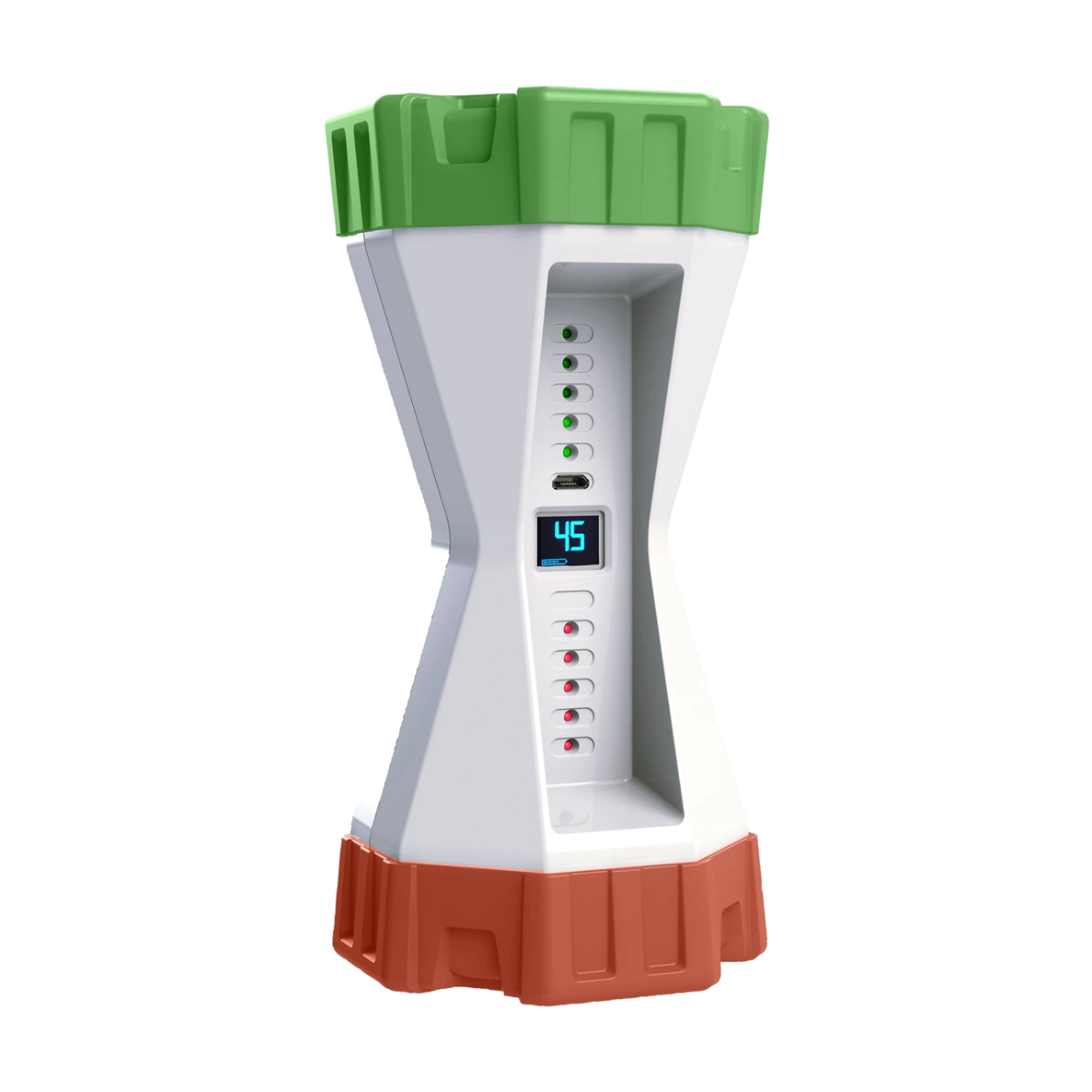
Tip: The Gametimer can help you set clear boundaries that work for everyone in the household.
- Create screen-free zones
Introduce spaces in the home where screens are not allowed, such as the dining room or bedrooms. This promotes relaxation and social interaction.
- Encourage alternatives
Stimulate screen-free activities, such as sports, reading, crafting, or playing outside.
- Be a role model
Children learn by observing their parents' behavior. Show that you also use screen time consciously and make time for offline activities.
The benefits of good digital health
When screen time is properly regulated, children benefit from:
- Better physical health due to more exercise.
- Improved sleep and less stress.
- Stronger social skills due to more face-to-face interaction.
- Greater concentration and better school performance.
Good digital health gives children the skills they need to use technology responsibly themselves later on.
Conclusion: a healthy digital future starts today
Regulating screen time is crucial to help children develop a healthy relationship with technology. By setting clear boundaries, offering alternatives, and leading by example, you can contribute to their digital health and well-being. Start today with small changes and see the positive effect on your family!